NAIROBI, September 25, 2026 — Kenya has made significant progress in the use of modern contraceptives, but persistent unmet need, unequal access and growing pressure on health financing could undermine efforts to expand family planning services, the Ministry of Health has warned.
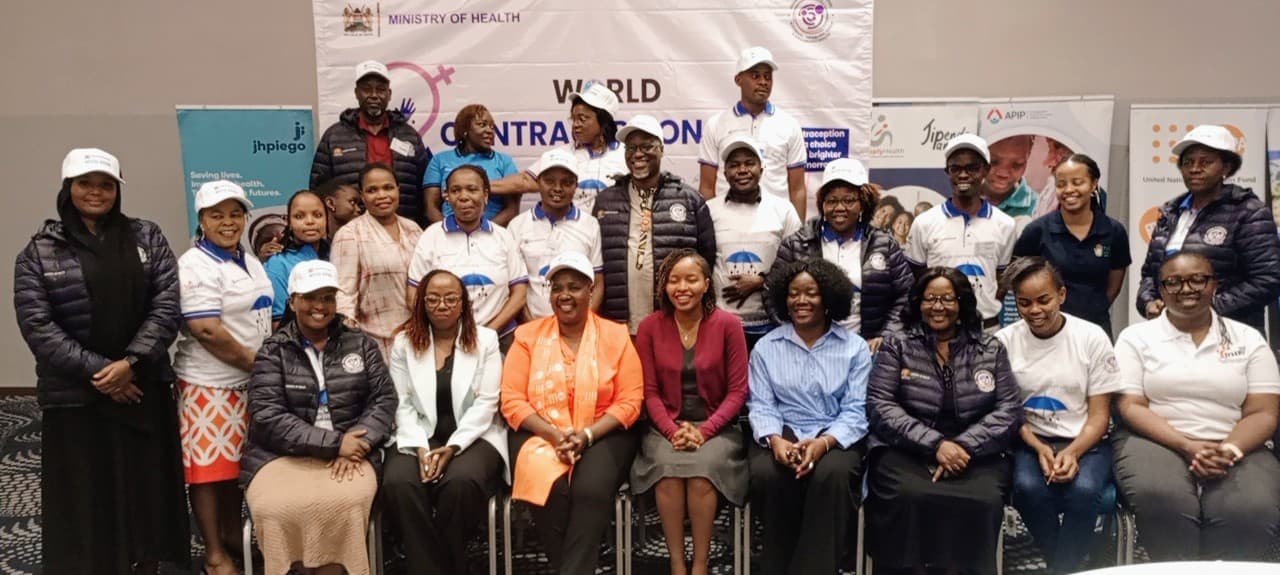
Speaking during a World Contraception Day 2026 media breakfast and high-level stakeholders forum in Nairobi on Friday, Dr. Toro of the Ministry of Health said Kenya must protect the gains already made while addressing barriers that continue to prevent some women and girls from accessing contraceptive information and services.
“Contraceptive access is not merely a matter of commodity distribution. It is a foundational pillar of economic policy, national development, and human rights,” Dr. Toro said.
His remarks came ahead of World Contraception Day, observed globally on September 26 under the 2026 theme “No Barriers, Just Choices: Contraceptive Access Now."
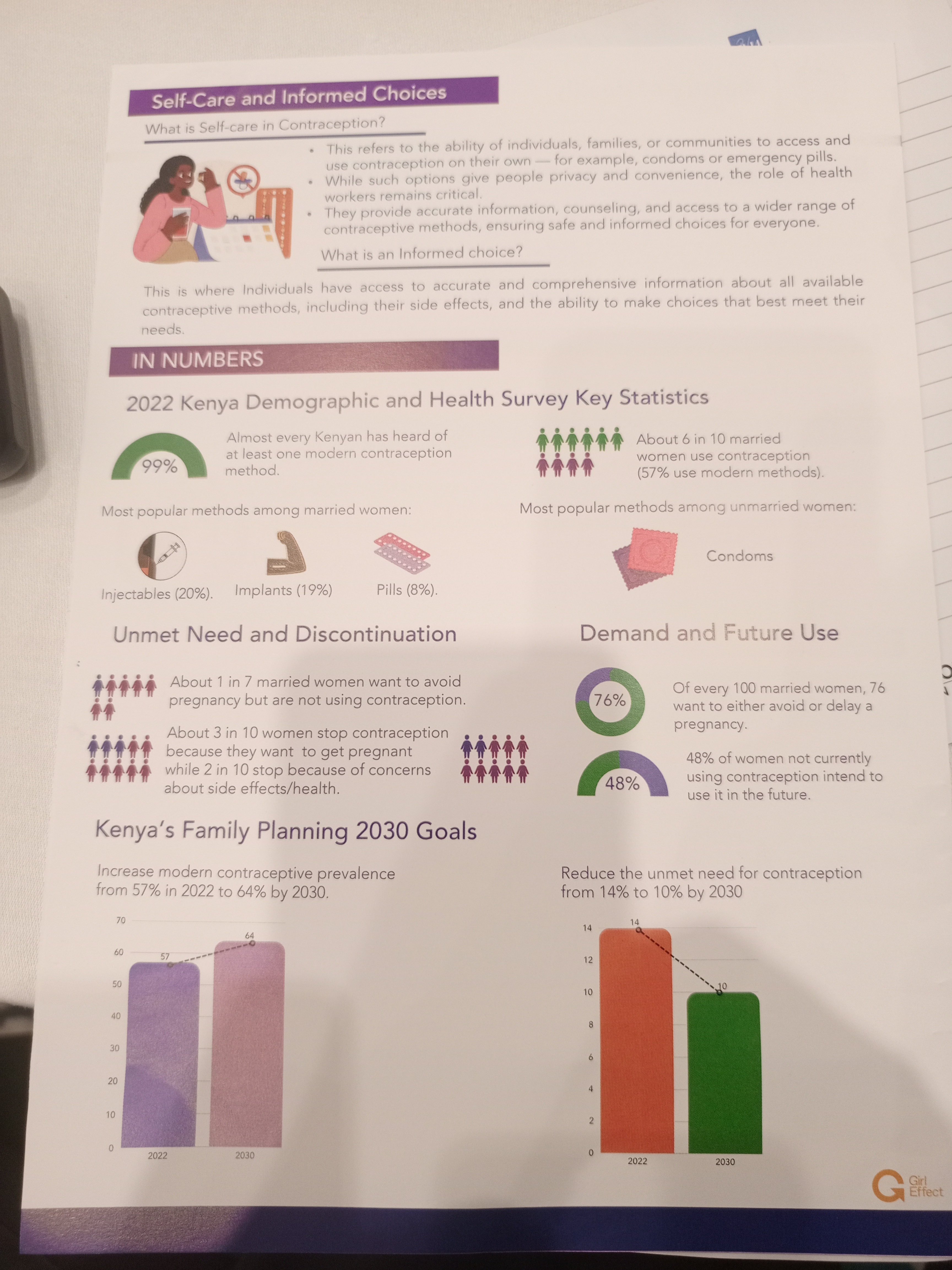
Kenya's latest national data shows that modern contraceptive use among married women rose to 57% in 2022, up from 53% in 2014. However, 14% of married women still had an unmet need for family planning, meaning they wanted to delay or stop childbearing but were not using a family planning method.
Dr. Toro said the country had made substantial progress over the past two decades, noting that the modern contraceptive prevalence rate had increased significantly from earlier levels.
“This statistical shift represents millions of Kenyan citizens who have exercised reproductive autonomy, contributing directly to reduced maternal mortality, improved child survival rates, and enhanced socio-economic stability,” he said.
Despite the progress, he said the remaining gap required renewed attention, particularly for women and communities facing geographical and other barriers to services.
“The national unmet need for family planning remains at 14%,” Dr. Toro said, describing this as a continuing challenge for the health system.
Kenya is targeting a 64% modern contraceptive prevalence rate by 2030, while seeking to reduce unmet need for family planning to 10%. The targets form part of the country's FP2030 commitments.
Dr. Toro said achieving the targets would require the country to confront economic and budgetary pressures affecting the health sector.
He pointed to reductions in external donor support and changing international development priorities as emerging challenges for contraceptive commodity financing. Globally, UNFPA has projected a US$185 million contraceptive funding gap for 2026 as a result of funding cuts.
The Ministry, he said, would therefore seek to strengthen domestic financing and resource mobilisation for reproductive health programmes at both national and county levels.
“We will continue to strengthen domestic financing and resource mobilization by incrementally increasing allocations for reproductive health,” Dr. Toro said.
He also outlined measures aimed at expanding access through primary healthcare networks, including greater use of community health promoters, stronger referral systems and improved access to commodities at household and community level.
The Ministry is also supporting service-delivery innovations, including self-care approaches and self-administered contraceptive options, while maintaining clinical supervision and reporting mechanisms, he said.
The push for wider access comes as stakeholders increasingly emphasise that availability of a contraceptive commodity alone does not necessarily constitute meaningful access.
Rose Nyzoka, Country Director at inSupply Health, told the forum that access also depends on whether women understand their options, trust the information provided, can obtain a method conveniently and privately, and have the freedom to choose what works for them.
Nyzoka said partnerships involving government, counties, private-sector providers, professional associations and communities had helped expand family planning access through different channels.
According to her remarks, initiatives supported by inSupply Health have included training pharmacy providers, strengthening community engagement and expanding private-sector channels for family planning services.
She cited work involving pharmacy providers and community-based approaches as evidence of the potential for bringing services closer to people who may otherwise face barriers accessing conventional health facilities.
The event also highlighted the role of misinformation and stigma in limiting informed contraceptive choices.
Dr. Toro used an account from his professional experience to illustrate how misinformation about contraceptive methods can influence perceptions and potentially discourage people from using family planning services.
He said accurate information and effective public health communication were therefore central to the Ministry's strategy.
“We have enhanced information governance by expanding public health communication to ensure that accurate, evidence-based reproductive health information reaches all demographics across all 47 counties,” he said.
The Ministry also plans to optimise existing primary healthcare infrastructure and community health networks to improve continuity of care, commodity access and referrals.
Dr. Toro called for closer cooperation between national and county governments, healthcare providers, development partners, civil society organisations, the private sector and communities.
“Let us celebrate the achievements, let us cultivate the achievements, but let's also share the challenges when they come,” he said.
The 2026 World Contraception Day campaign places emphasis on removing barriers to contraceptive information, services and choice. UNFPA says sustainable access requires stronger national investment and reliable supply chains capable of reaching people, including those in remote and underserved communities.
For Kenya, the challenge now is to translate the progress recorded in contraceptive uptake into broader and more equitable access, while ensuring that financing, commodities, accurate information and trained providers remain available as the country works towards its 2030 family planning commitments.